AC runs constantly but the house stays warm
We check refrigerant charge, clean the evaporator coil, and verify airflow. In most cases, a low charge or a dirty coil is the culprit. We find the leak, repair it, and recharge to the correct weight.
An AC tune-up Hunters creek FL homeowners can count on starts with a full-system inspection, not a quick filter swap. We check refrigerant charge, clean the evaporator coil, test capacitors and contactors, and measure airflow room by room. If you have noticed weak cooling or rising power bills, book an AC maintenance Hunters creek visit before the next heat wave hits.
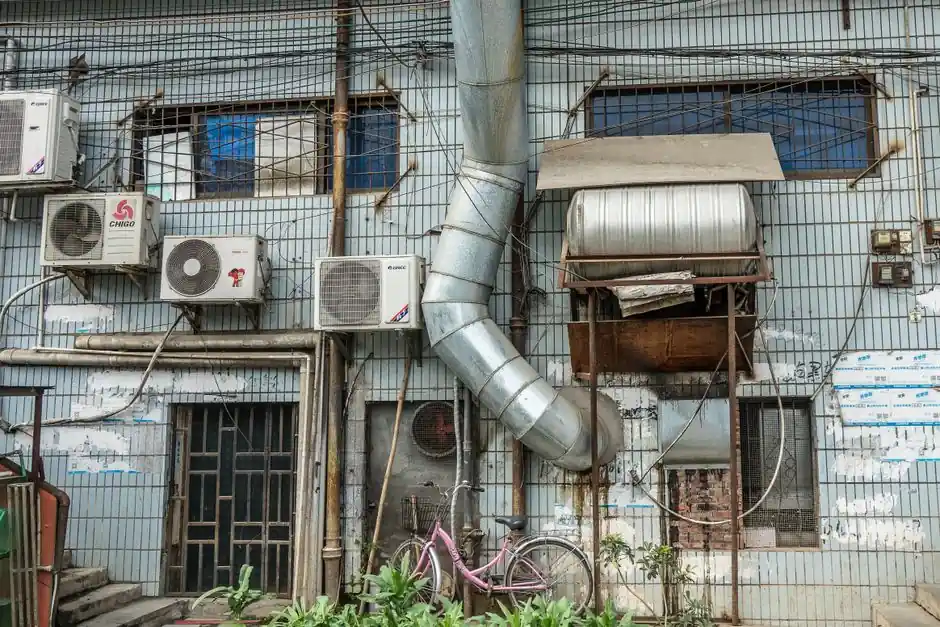
An AC tune-up Hunters creek FL is a full mechanical inspection and adjustment of your cooling system, not a filter change with a smile. We hook up manifold gauges to read suction and liquid pressures, verify superheat and subcooling, and compare the numbers against the manufacturer's chart for your unit. We pull the blower, clean the wheel, test the capacitor and contactor, and check the condensate drain for the algae clogs that cause water damage in Florida closets.
Hunters creek homes run their AC nine or ten months a year, so parts wear faster here than the national average. A clogged air filter alone can push compressor amps up 15 percent and shorten motor life. If you have been searching for an AC tune-up near me Hunters creek FL and keep finding call centers, we send a licensed tech who lives in the area and knows these systems. Book early and you avoid the June backlog.
Our standard AC tune-up Hunters creek FL visit covers the full cooling system, inside and out. Anything beyond the listed scope, like a refrigerant leak repair or a blower motor replacement, gets quoted upfront before we start. Here is what every visit includes.
We clean both coils with the correct chemicals and rinse the condenser from the inside out. A dirty coil raises head pressure and cuts capacity, so this single step often restores 10 to 15 percent of lost cooling.
Manifold gauges go on to check suction and liquid pressures against the manufacturer chart. If the charge is off, we leak-search with an electronic detector before adding refrigerant. Topping off a leak without finding it is a waste of money.
We test the capacitor microfarads, inspect the contactor for pitting, and check amp draw on the compressor and fan motor with a multimeter. Weak capacitors are the number one cause of summer no-cool calls, and they are cheap to replace early.
We flush the PVC drain line, clean the pan, and test the float switch. In Florida humidity, algae grows in drain lines within months. A clogged line means water on your floor and a soaked ceiling, which costs far more than the flush.
We measure return and supply temperatures and target an 18 to 22 degree split. If the split is off, we check the filter, blower wheel, and duct connections to find where the airflow is going wrong.
We text when we are 30 minutes out. On arrival, we ask what you have noticed: warm rooms, odd noises, higher bills. Then we check the thermostat setting, note the model and serial, and confirm the system size against your square footage. Five minutes, no clipboard theater.
We pull the access panel, inspect the evaporator coil for dirt and mold, and clean it if needed. The blower wheel comes out for washing, the drain pan and PVC condensate line get flushed, and we test the float switch. This is where most Hunters creek water-damage calls originate.
We cut power at the disconnect, rinse the condenser coil from the inside out, and straighten bent fins. The fan motor gets oiled where serviceable, and we check the contactor points for pitting. A clean condenser in Florida shade can drop head pressure 20 psi, which the compressor feels immediately.
Using a multimeter, we read capacitor microfarads against the label, check amp draw on the compressor and fan, and tighten every terminal. Then manifold gauges go on to verify charge. If the system is low, we leak-search with an electronic detector before adding a single ounce of R-410A.
We measure temperature split at the return and supply, target 18 to 22 degrees. Then we walk you through what we found, show photos of anything worn, and leave a written report with the readings. You get the numbers, not a vague thumbs-up.
Purpose-built equipment, used by trained technicians — so the job is done accurately the first time.
Used to read suction and liquid line pressures and verify refrigerant charge against the manufacturer's chart. Accurate charge is the single biggest factor in cooling performance and compressor life.
Measures capacitor microfarads, amp draw on motors, and voltage at the contactor. This is how we catch a weak capacitor or a failing blower motor before it quits.
Used any time we open the refrigerant circuit. The recovery machine pulls refrigerant out safely, and the vacuum pump evacuates the lines before recharging to spec.
Sniffs out refrigerant leaks at brazed joints, Schrader valves, and coil ends. Finding the leak first means we fix the cause instead of topping off the system every spring.
Used when we find heavy debris or mold in the ductwork. A clean duct system lets the cooled air actually reach the rooms instead of leaking into the attic.
Used on gas furnace checks during our winter tune-up visits. It measures carbon monoxide and verifies the burn is clean and safe.
A two-story home in Hunters Creek had an upstairs that never dropped below 78 degrees, even with the thermostat set to 72. The previous company added refrigerant twice in one summer without finding the cause.
We found a dirty evaporator coil and a refrigerant leak at a Schrader valve. After repairing the leak, cleaning the coil, and recharging to spec, the upstairs held 72 degrees on a 96-degree day.
A Spring Branch homeowner saw the summer power bill climb $60 over the previous year with no change in usage. The system was running constantly and the outdoor unit was louder than usual.
Our tune-up found a weak capacitor reading 60 percent under spec and a condenser coil packed with grass clippings. After replacing the capacitor and cleaning the coil, amp draw dropped 22 percent and the bill fell back in line.
A townhome owner in Hunters Creek noticed a water stain spreading on the ceiling below the attic air handler. The drain pan was full and the float switch had failed, so water was overflowing for days.
We cleared the clogged drain line, replaced the float switch, and treated the pan for algae. The stain stopped spreading, and the homeowner avoided a full drywall replacement.
Most cooling complaints we hear in Hunters creek trace back to one of a handful of issues. A proper tune-up catches them before they become emergency calls.
Ask a pro →We check refrigerant charge, clean the evaporator coil, and verify airflow. In most cases, a low charge or a dirty coil is the culprit. We find the leak, repair it, and recharge to the correct weight.
We flush the drain line, clean the pan, and test the float switch during every tune-up. If the line is chronically clogging, we install a secondary pan or a condensate pump to keep water moving.
Our tune-up measures amp draw on every motor and compares it to the nameplate. If the blower is pulling 20 percent over spec, we know it is failing and can replace it before it dies in August.
We clean the coil with an EPA-registered cleaner, flush the pan, and check the duct connections for moisture. If the growth is heavy, we recommend a UV light or a duct cleaning to stop it from returning.
Our standard AC tune-up Hunters creek FL rate is $89 for a single system, and $149 for two systems at the same address. That covers the full inspection, coil cleaning, refrigerant charge check, and electrical testing. If we find a failed part, we quote it before installing. Typical 2026 pricing in this area runs $79 to $150 depending on system count and condition.
Once a year, ideally in March or April before the cooling season ramps up. Hunters creek systems run nine to ten months a year, so annual service is the minimum. If you have pets, a dusty lot, or a system over 10 years old, twice a year pays for itself in avoided repairs. We send reminder cards so you do not have to track it.
Yes. We cover all of Hunters creek and the surrounding Orange County area, including 32837 and nearby ZIP codes. Same-day AC tune-up Hunters creek appointments are usually available if you call before noon. We also run 24/7 emergency service for no-cool calls, so you are not stuck waiting until Monday.
Every visit includes evaporator and condenser coil cleaning, blower inspection, condensate drain flush, capacitor and contactor testing, refrigerant charge verification with manifold gauges, and a temperature-split check. We also inspect the air filter, duct connections, and thermostat calibration. You get a written report with the actual readings, not just a checkbox sheet.
 furnace repairIf your heat pump or furnace quit during a cold snap, we diagnose and repair it the same day. Many Hunters creek homes run a heat pump, so a tune-up on the cooling side often catches heating problems early.Explore →
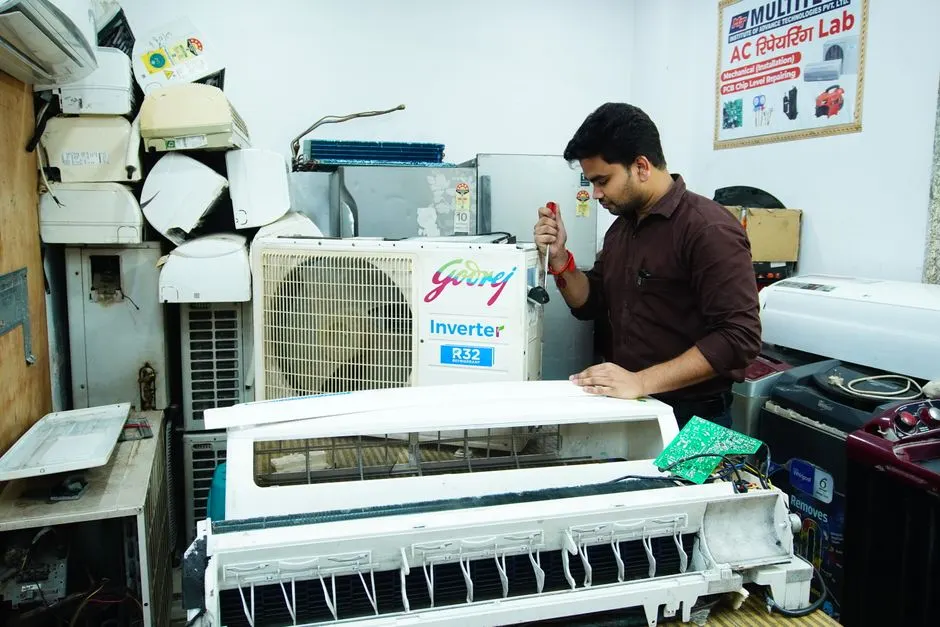 air conditioning repairWhen a tune-up turns up a failed compressor, blower motor, or refrigerant leak, we handle the repair on the spot. Our trucks carry capacitors, contactors, and common motors so most fixes happen in one visit.Explore →
 furnace replacementIf your furnace is over 15 years old and repairs are stacking up, replacement usually costs less over five years. We size the new unit to your home and haul the old one away.Explore →
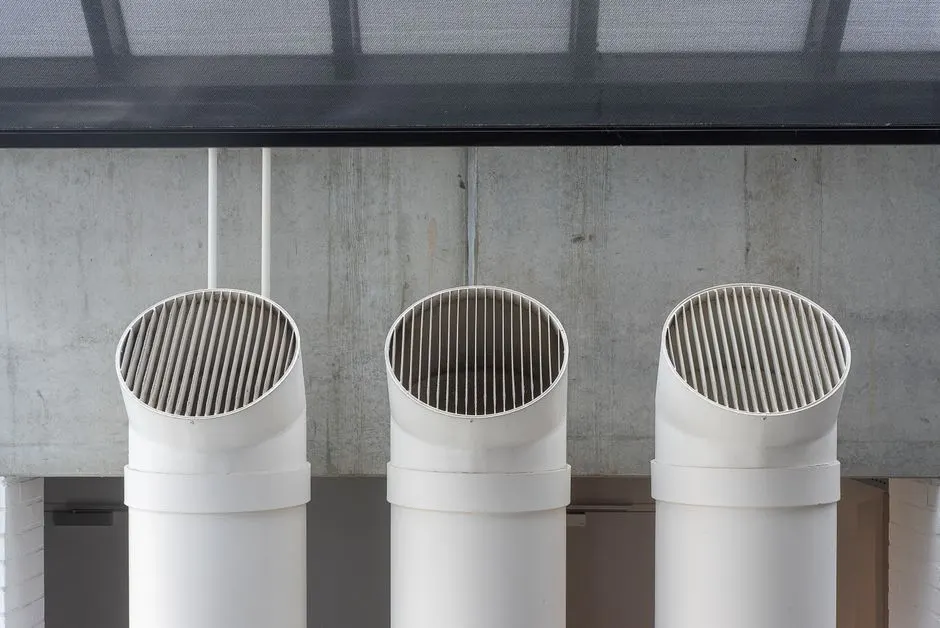 air duct cleaningA tune-up restores airflow at the equipment, but leaky or dirty ducts waste it. We clean and seal ductwork so the cold air you paid for actually reaches the bedrooms.Explore →
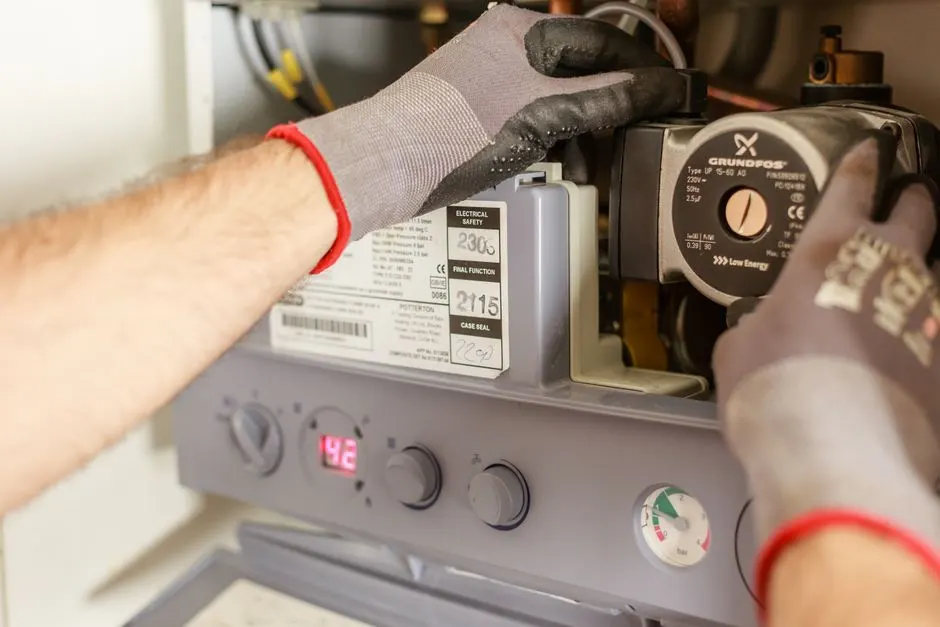 heating repairFlorida cold fronts hit fast, and a dead heater is miserable. We repair gas furnaces, electric strips, and heat pumps across Hunters creek, usually the same day you call.Explore →
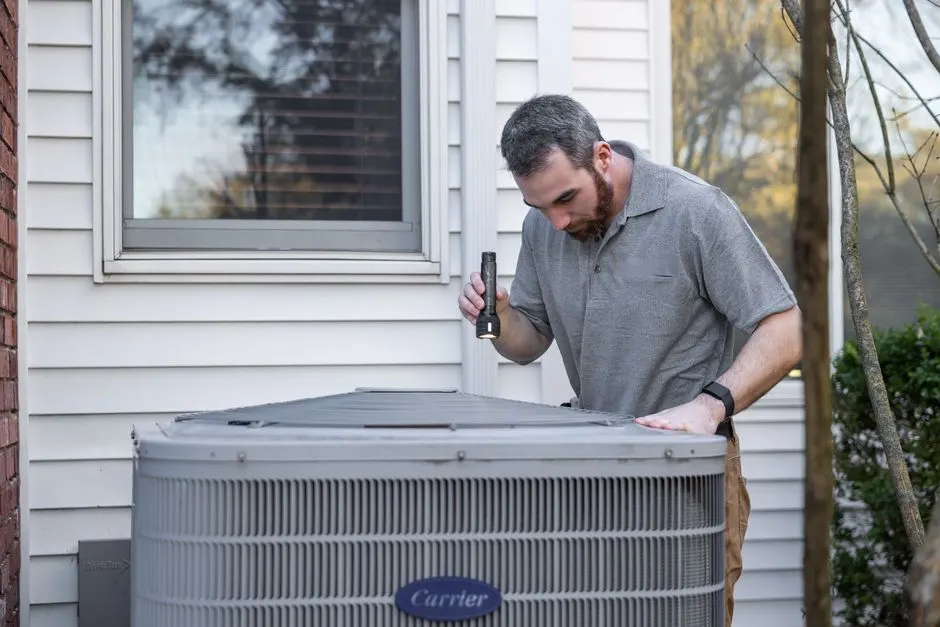 heat pump repairHeat pumps do double duty here, so a reversing valve or defrost board failure kills both heating and cooling. We stock common heat pump parts and test the full cycle after repair.Explore →
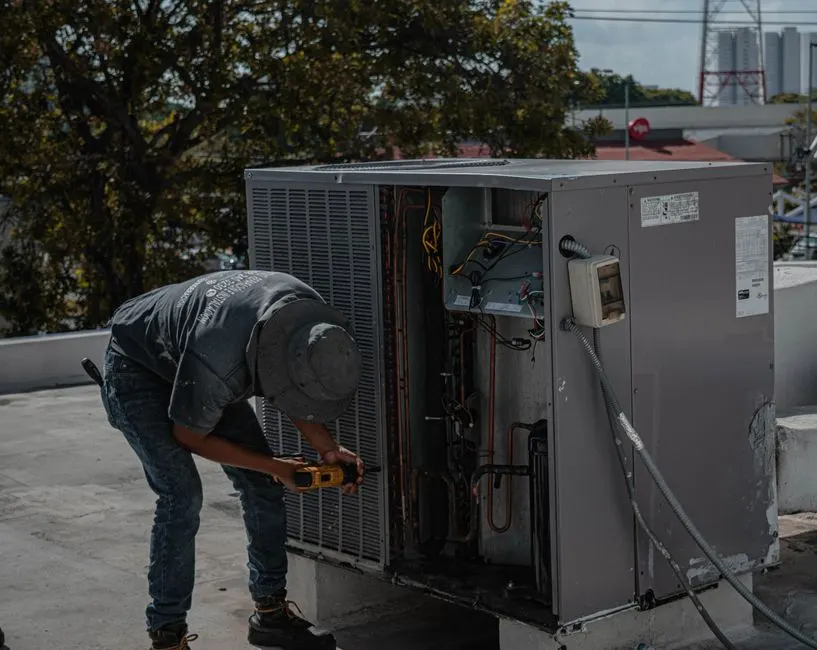 emergency HVAC repairNo cooling at 2 a.m. in July is an emergency. Our 24/7 line dispatches a licensed tech to Hunters creek around the clock, including weekends and holidays.Explore →
 AC repairFrom a frozen evaporator coil to a tripped breaker, we track down the cause instead of guessing. Every AC repair includes a refrigerant check and airflow verification before we leave.Explore →
Our $89 tune-up covers the full inspection, coil cleaning, and refrigerant check, and every repair carries a one-year workmanship warranty. Call (844) 796-4282 or book online. Same-day slots fill fast in summer, so grab yours early.
Book My Tune-Up (844) 796-4282 →Call (844) 796-4282 any time, day or night. A live dispatcher answers, takes your address and symptoms, and gives you an arrival window. For non-emergency work, we schedule same-day and next-day slots across Hunters creek and the surrounding neighborhoods, and we text you when the technician is on the way.